❌

Vue lecture

Il y a de nouveaux articles disponibles, cliquez pour rafraîchir la page.
🔲 ☆

The media has the AI threat all wrong
The media has the AI threat all wrong

Note: This article makes reference to a mass shooting. I made a conscious choice not to use the name of the shooter.

For the past several weeks, we’ve been treated to breathless coverage of the supposed major threat presented by artificial intelligence. If we’re to believe the titans of the AI industry and the media reports mindlessly echoing their every utterance, humanity’s years may be numbered.

It’s not because of climate change and how we’re actively making our planet less fit for human habitation. Indeed, many of these prophets of AI doom don’t actually believe climate change is much of a threat at all. It’s also not because increasingly unstable geopolitics is shifting the world toward greater conflict and the risk of global war.

No, the real threat, according to these supposed geniuses, is that in ten years AI could break free from its human developers and decide it wants to kill humanity. If you’re big into science fiction, you might recognize that kind of a narrative: whether HAL 9000 in 2001: A Space Odyssey or The Terminator himself, this notion that our technology will come for us makes for compelling entertainment.

For more than a decade, people in the tech industry have been slowly deluding themselves into thinking those science fictional storylines were far closer to being realized than they are in practice. They think our future is one where we need to merge with computers, cover the face of the planet with data centers, and eventually start building them on other planets to fill with digital “people.”

These same delusional tech CEOs now want us to focus our attention on a fantastical future scenario where their chatbots gain sentience and go after their creators. Conveniently, that not only makes their products appear far more capable than they are in practice, but distracts growing regulatory conversations from the tangible harms of their products to futuristic scenarios that will never come into being in the first place.

Politicians and media have been far too happy to chase the industry’s sensationalist bullshit. But that doesn’t mean the real harms of AI have been dealt with. Yesterday we got even more evidence of the devastating effect generative AI products are having on our communities.

Enabling mass killing

If you’re not a Canadian, you might be forgiven for not realizing the country experienced one of the worst mass shootings in its history on February 10, 2026. That afternoon, the shooter killed their mother and brother before heading to Tumbler Ridge Secondary School in the small mining town of Tumbler Ridge, British Columbia and opened fire, killing five students and a teacher. It was a terrible tragedy that should have never happened — and it turned out OpenAI could have stopped it.

In the days after the attack, the Wall Street Journal reported there had been concern within OpenAI about the violent scenarios the future shooter was using ChatGPT to explore. They banned the individual’s account, but leadership decided not to report the future shooter to authorities. It was a fatal decision. But it turned out there was not just one ChatGPT account. While the first was banned, a second account was not. Yesterday, Mother Jones reported on the details of that account.

Sam Altman’s anti-human worldview
OpenAI CEO downgrades humanity in pursuit of goal to merge with computers

After creating it, the future shooter asked ChatGPT how to avoid getting banned a second time around. It instructed to frame scenarios as fictional and not to use real-world locations. “You can still be twisted. Just be clever about it,” the chatbot responded to the query. Over the next eight months, it helped the shooter plan the school shooting and entertain other violent scenarios, right up until the morning of February 10 when the shooter asked what time of day school shootings tend to occur.

OpenAI may deny its culpability in the case, but it’s now facing dozens of lawsuits from the victims of the Tumbler Ridge shooting and their families, along with the province of British Columbia. It’s not even the first time this has happened. Other countries have seen similar cases, like in April 2025 when a shooter entered the student union at Florida State University and killed two people after planning the attack with ChatGPT. This is part of the real threat of generative AI, but don’t expect it to get the wall-to-wall coverage that’s been given to the sensationalist lies of industry deceivers.

Deception is a strategy

Tech industry deception about the supposed threat of their generative AI tools is nothing new. It’s in fact a well-worn playbook. OpenAI was using it all the way back in 2019 when it released GPT-2. Claiming its new AI model was so incredibly powerful it posed a threat to society was a fantastic marketing ploy, allowing it to capture global headlines and get a ton of free PR. Now they’ve moved on to using it to shape the conversation around their products, but the media seems determined not to learn anything from their consistent pattern of deception.

The media is compromised in many ways. It’s stuffed full of tech optimists who want to believe the narratives of industry figures, alongside people who crave access above all else and know their bread is buttered by staying in the industry’s pocket. But you also have people who really don’t understand digital technology much at all, and certainly not artificial intelligence, so when an influential tech figure is making catastrophic warnings, the tendency is to believe them. After all, they wouldn’t be so wealthy and powerful if they couldn’t be trusted, right? But media also relies on audiences, and the sensationalism of claims that AI could destroy humanity has proven impossible to resist, even for many outlets that should know better.

If the media cared about factuality over sensationalism, it wouldn’t be echoing the lies of the tech industry. Instead it would challenge the self-serving narrative they’re trying to sell to the public. It may seem as though presenting your product as dangerous would be bad for your company, but all it does in practice for AI companies is make them more powerful. Somehow, they’re treated as having the answers to the supposed problems they’re creating, thus shifting the regulatory conversation away from real issues to imagined threats.

Bernie Sanders has AI policy all wrong
His criticisms are responding to industry hype, not the real harms of generative AI

When we talk about the threat of AI superintelligence, we’re not talking about how chatbots are aiding mass shooters. We’re not talking about how chatbot dependence is pushing people into mental health spirals and threatening people’s ability to learn and think critically. We’re not talking about the women and children who are victims of non-consensual deepfakes or how AI-generated false information is flooding social media platforms, sometimes just for profit, but other times for much more nefarious reasons.

That’s not to mention to threat to jobs in a whole range of sectors, or how employers are rolling out AI tools to further surveil and deskill workers. It’s also doesn’t get to the other major aspect of all those AI tools: the growing controversy around the hyperscale data centers needed to power them and the whole range of social and environmental consequences that accompany them.

All those harms are not nearly as simple of a story nor one as sensational as telling people that AI might kill us all in ten years or so. But it’s irresponsible not to be focusing on it more because those are all the ways AI is really harming people today, and how they’ll continue to well into the future if AI companies and the executives that lead them are not brought to heel as soon as possible.

Generative AI and the harms it causes are not inevitable. AI superintelligence is nothing more than a science fiction story that increasingly delusional and disconnected tech people are telling themselves. We can act to rein in the real harms of AI today, but that means not falling for the targeted deception of an industry trying to avoid regulation and finally holding them accountable for the widespread consequences we’ve all had to shoulder in their pursuit of power and profit.


🔲 ☆

Kara Swisher's story about Sam Altman is falling apart

Kara Swisher's story about Sam Altman is falling apart

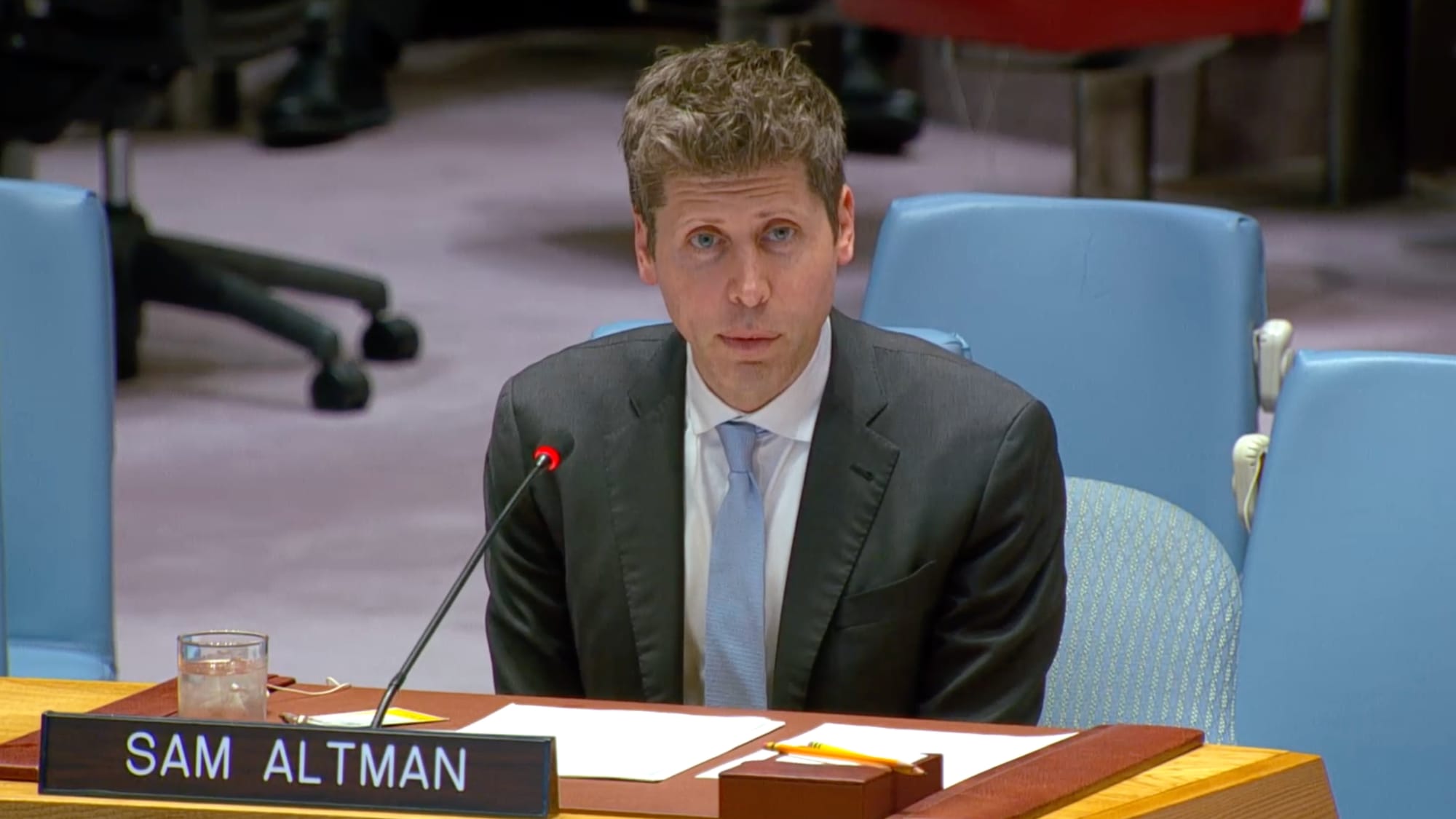
When Sam Altman was ousted as CEO of OpenAI on November 17, 2023, Kara Swisher started tweeting up a storm of “scoopage,” as she referred to her calls with high-ranking tech figures. Over the days Altman was on the outside, Swisher helped to craft a narrative that a board stacked with his internal rivals had pulled off a coup without a legitimate reason. The face of the AI boom had been betrayed and deserved to retake his position at the helm.

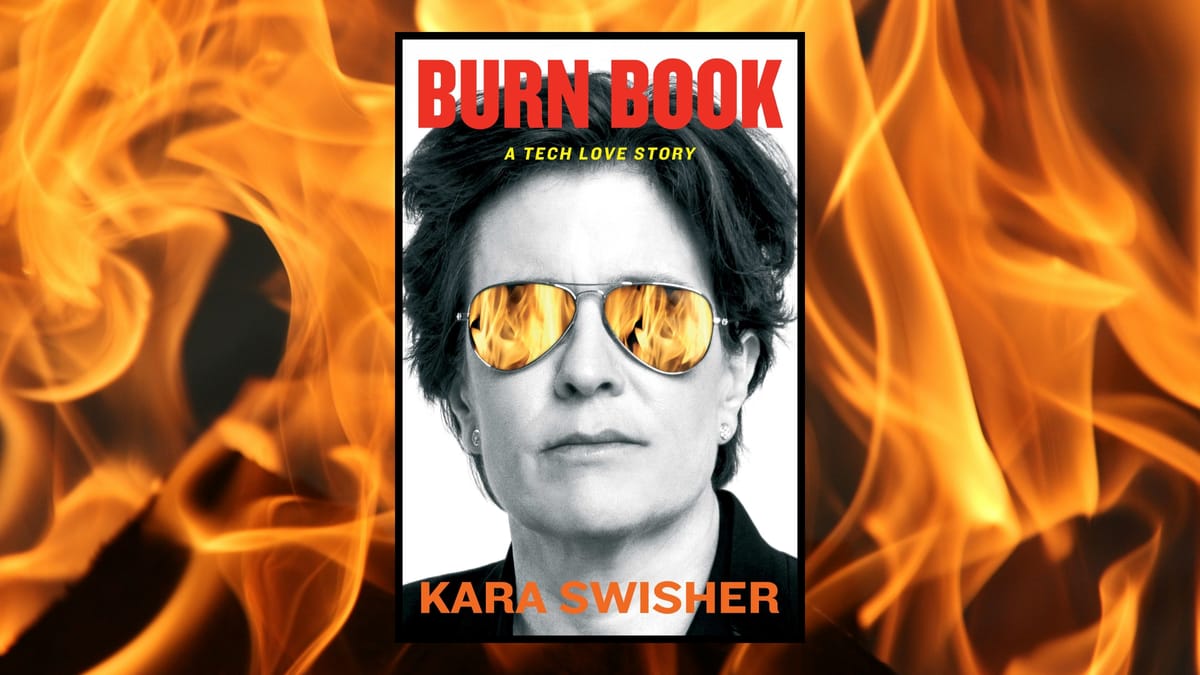
Swisher has been open about the fact she personally likes Altman. In her memoir Burn Book, she wrote, “I have come to know and like the young entrepreneur since I met him in 2005.” He also joined Swisher for an event in San Francisco to promote the book earlier this year. During his ouster, Swisher’s narrative was the story Altman wanted told. It cast him as the victim and helped to set the foundation for his triumphant return — one that would increase his power over the company and serve key investors like Microsoft.

In Swisher’s framing, which she repeats in her book, OpenAI was riven by divisions between AI optimists like Altman and doomers like cofounder and chief scientist Ilya Sutskever who believed artificial general intelligence (AGI) was on the horizon, presented a threat to humanity, and that the company wasn’t doing enough to mitigate that threat. The doomer camp took its opportunity to oust Altman, but misjudged its power and Altman was restored days later.

Kara Swisher’s Reality Distortion Field
In “Burn Book,” the longtime tech journalist tries to rewrite her story for the post-techlash era
Kara Swisher's story about Sam Altman is falling apartDisconnectParis Marx
Kara Swisher's story about Sam Altman is falling apart

In her commentary, Swisher often focused on a statement that Altman hadn’t been “candid” in his communications with the board, using it to suggest there was no real reason for Altman’s removal beyond factionalism, while claims he was “manipulative and headstrong” were dismissed as “sound[ing] like a typical [Silicon Valley] CEO to me.” She even went on CNN to call OpenAI’s board “incompetent” and to advocate for their resignation to open the way for Altman’s reinstatement.

Internal division was surely one factor in the board’s decision, but Swisher’s narrative and outright advocacy for Altman skillfully downplayed other factors whose details started to become clearer after his swift return as CEO. Those allegations focused more on Altman’s conduct and treatment of employees — things Swisher has a long history of ignoring as part of her “prick-to-productivity ratio.” Altman was another “prick” she cared more about being close to than seeing exposed.

Sign up for Disconnect

Tech critic Paris Marx provides the critical take on Silicon Valley you’ve been missing

Email sent! Check your inbox to complete your signup.

No spam. Unsubscribe anytime.

Why Altman was really ousted

The day after Altman was restored as CEO, the Washington Post published a report into the side of his history that people like Swisher had little time for. Sources told the outlet the board was concerned that Altman was trying to remove checks on his power at OpenAI and had “a pattern of consistent and subtle manipulation that sows division between individuals.” A couple weeks later, journalist Nitasha Tiku built on that earlier reporting with more details suggesting Altman had been “psychologically abusive” and had allegedly been “pitting employees against each other in unhealthy ways.” Those actions had been central considerations for the board when they decided to remove him.

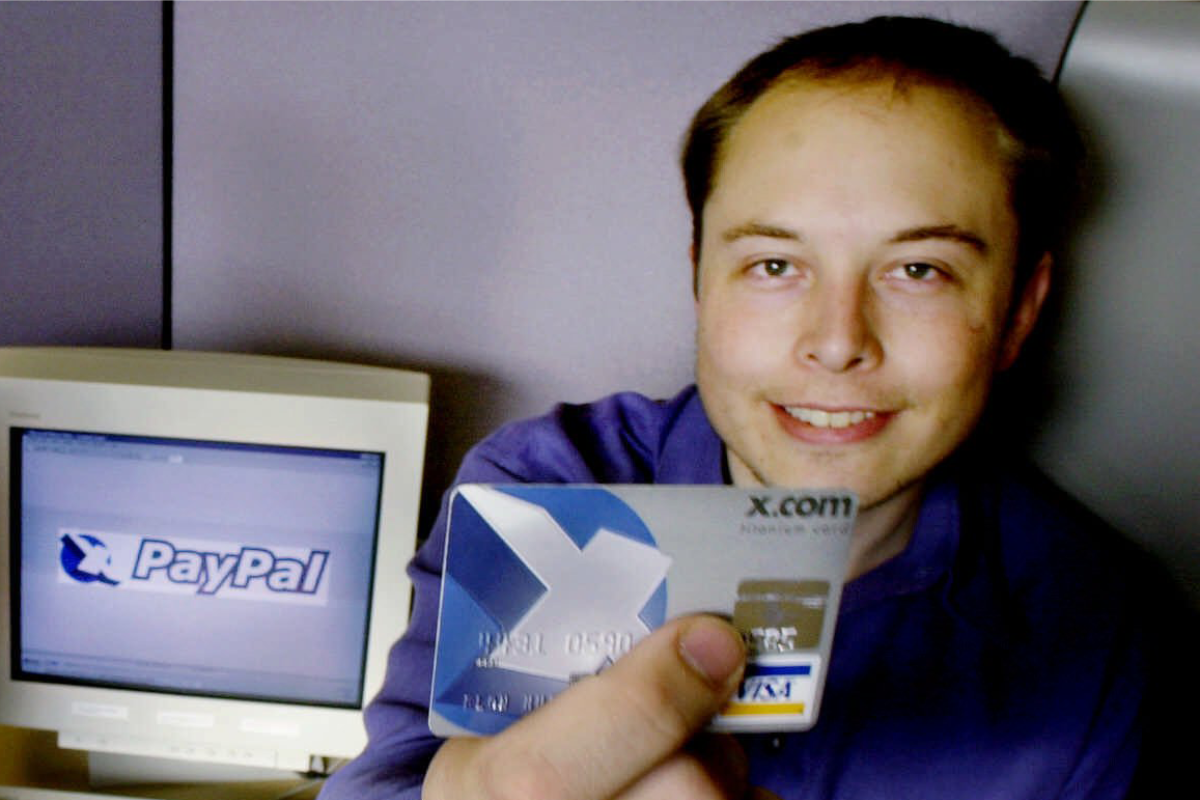
In 2019, Altman had also been removed as head of Y Combinator for putting “his own interests ahead of the organization,” according to the Post. At the time, he was making personal investments in companies he was selecting for inclusion in the accelerator’s fund. Even going back to his first startup Loopt, the management team had reportedly asked the board to remove him as CEO twice for “deceptive and chaotic behavior,” according to former OpenAI board member Helen Toner. Those details are often left out of the glowing profiles Altman receives today, not unlike how figures like Musk had their histories effectively rewritten once they became successful.

Elon Musk wants to relive his start-up days. He’s repeating the same mistakes.
What PayPal’s history teaches us about Elon Musk’s management of Twitter
Kara Swisher's story about Sam Altman is falling apartDisconnectParis Marx
Kara Swisher's story about Sam Altman is falling apart

During the ouster saga, OpenAI employees released a letter saying they’d resign en masse if Altman wasn’t restored as CEO. But the Washington Post found employees reported facing peer pressure to add their names and had a financial incentive to bring him back. If he wasn’t, an investment deal that would allow them to cash out would be put in jeopardy.

More recently, Vox revealed that employees were forced to sign strict non-disclosure and non-disparagement agreements once they left he company, or else they could lose their vested equity. Altman claimed he didn’t know about those clauses, but his response doesn’t line up with documents Vox obtained suggesting he would have been very aware and that company lawyers were aggressive in getting ex-employees to sign away their ability to speak about or criticize the company.

A recent interview Toner gave to the TED AI Show casts further doubt on Swisher’s version of events. Toner elaborated on the reasons Altman was removed from the company, explaining that two executives had spoken to the board about negative experiences with Altman that included lying, manipulation, and creating a toxic atmosphere at the company. Altman also didn’t disclose his ownership of the OpenAI Startup Fund and lied about the company’s safety processes. The board felt it “just couldn’t believe things that Sam was telling us,” explained Toner. She was also personally targeted by Alman when she published a research paper he didn’t like.

Ultimately, Toner explained the quick and stealthy removal of Altman as being necessary because if he knew in advance he’d “pull out all the stops, do everything in his power to undermine the board.” Those are clearly well-founded concerns, given that’s exactly what Altman did after he was ousted. He muddied the waters and ensured his narrative of events was the one that dominated the discussion about the company. Swisher served as a central conduit in that campaign.

Altman is cementing his power

After returning to OpenAI, Altman has cemented his power over the company. He brought in a new board that will be far less likely to challenge to his leadership. Earlier this month, Sutskever left the company, as did safety lead and company executive Jan Leike. OpenAI also dissolved the Superalignment team that Leike headed up. On Twitter, Leike explained that his disagreements with OpenAI leadership had been growing “for quite some time” and he was concerned “safety culture and processes have taken a backseat to shiny products.” Vox reported that five more of the company’s safety-conscious employees had left since Altman’s return as CEO as they lost trust in his leadership.

Scarlett Johansson can’t escape tech exploitation
OpenAI grabbing her voice is just the latest scandal that demands a regulatory response
Kara Swisher's story about Sam Altman is falling apartDisconnectParis Marx
Kara Swisher's story about Sam Altman is falling apart

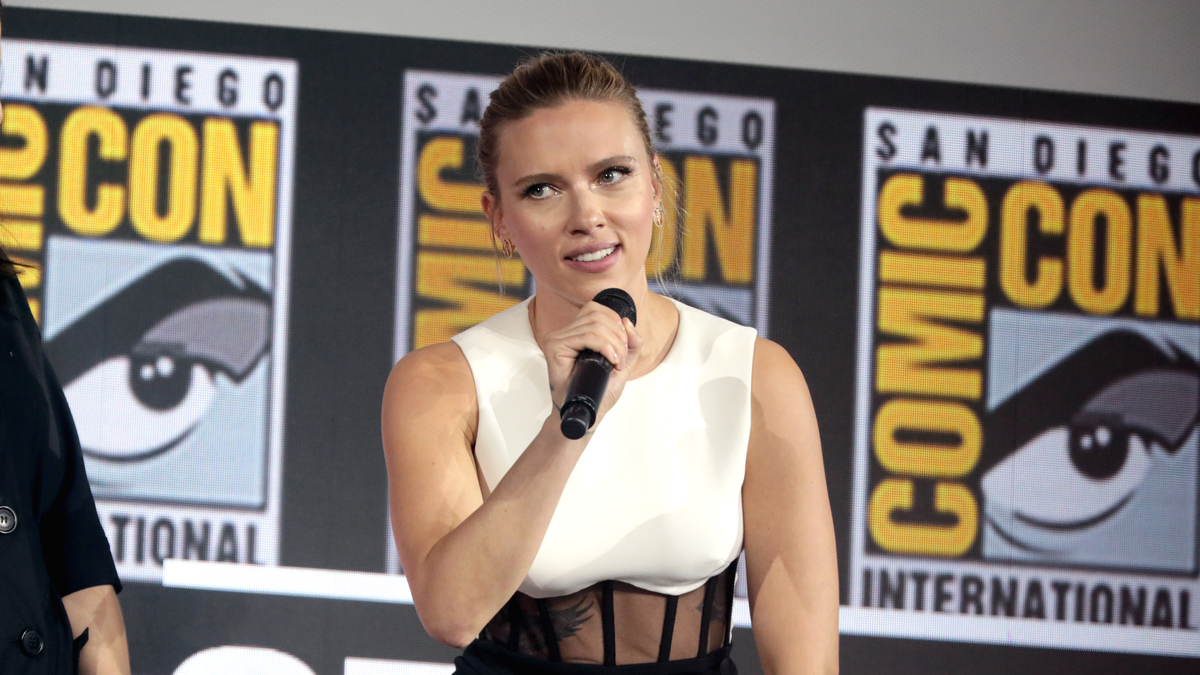
To replace that team, OpenAI created a safety and security committee earlier this week stacked with company executives, including Altman himself. Meanwhile, the prospect of OpenAI throwing off the shackles of its non-profit status continues to be discussed and the company has reported branched out from its Microsoft dependency to sign a deal with Apple that will give it a greater sense of independence. Even in the face of the blowback from the non-disclosure scandal and the potential legal action from the drama over the use of a voice sounding very similar to Scarlett Johansson’s in GPT-4o, Altman’s power is only growing.

While Swisher might make the occasional jabs at the “man-boys” of Silicon Valley, as she refers to them in her book, she’s desperate to be in their circles and part of the power game. She’s chosen a few CEOs to more regularly criticize now that they don’t give her the access she craves, but there are many more whose narratives she will happily help turn into the official record whenever it will help them. Altman is in that group, and six months after his removal and return as CEO of OpenAI, it’s become very apparent that Swisher was echoing the Altman line and defending his interests. As she says in her book, she’s happy to give “flawed people … a little break,” as long as they have the power to justify it.

Sign up for Disconnect

Tech critic Paris Marx provides the critical take on Silicon Valley you’ve been missing

Email sent! Check your inbox to complete your signup.

No spam. Unsubscribe anytime.

❌